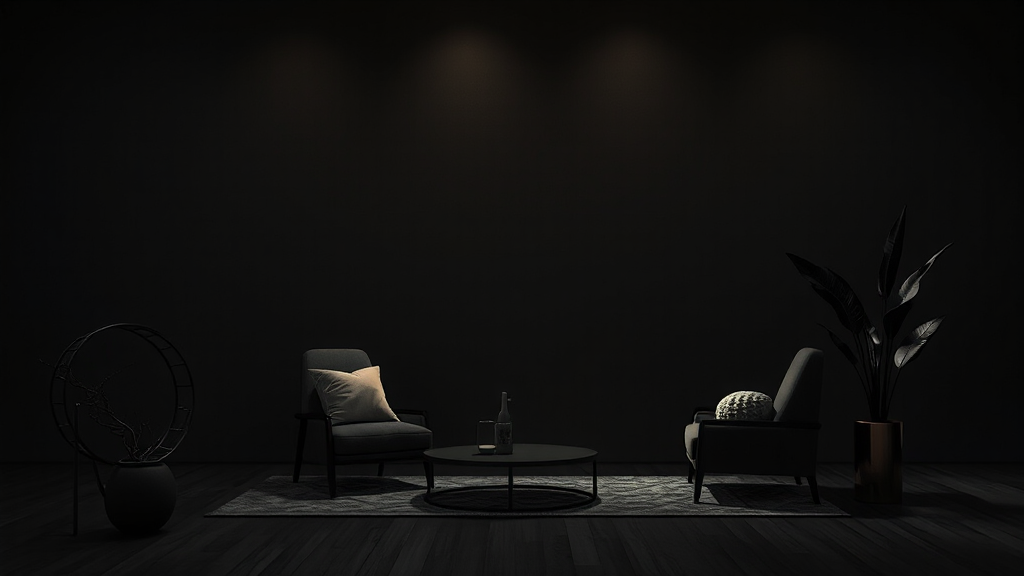
Embracing a MindfullyModern Lifestyle: A Path to Intentional Living
In an era defined by constant connectivity, rapid technological advancement, and overwhelming information, the concept of being mindfullymodern has emerged as a guiding philosophy for those seeking balance. This approach is not about rejecting progress but about integrating modern tools and ideas with deep, intentional awareness. It encourages us to pause, reflect, and choose how we engage with the world around us. By adopting a mindfullymodern mindset, individuals can cultivate a life that is both productive and peaceful, leveraging innovation without sacrificing well-being.
The journey toward a mindfullymodern existence begins with understanding that mindfulness and modernity are not opposing forces. Instead, they complement each other. Mindfulness roots us in the present moment, while modernity provides the tools to navigate our complex world. Together, they create a framework for making conscious decisions about technology, relationships, work, and personal growth. This article explores the core principles of a mindfullymodern lifestyle and offers practical insights for integrating them into daily life.
At its heart, being mindfullymodern means curating your environment and habits with intention. It involves questioning the default settings of modern life—like constant notifications, multitasking, and consumerism—and replacing them with purposeful choices. Whether it’s how you use social media, design your home, or structure your workday, the goal is to align your actions with your values. This approach fosters resilience, creativity, and a deeper sense of fulfillment.
Understanding the MindfullyModern Philosophy
The mindfullymodern philosophy is rooted in the idea that awareness is the first step toward change. In a world that often encourages mindless consumption—of content, products, and experiences—taking a step back to evaluate what truly matters is revolutionary. This philosophy draws from ancient mindfulness practices but adapts them to contemporary challenges. It acknowledges that we cannot escape the digital age, but we can learn to navigate it with grace.
One key aspect is digital minimalism. This doesn’t mean abandoning technology but using it as a tool rather than a distraction. For example, a mindfullymodern person might schedule specific times for checking emails and social media, ensuring that these activities serve a purpose rather than fragmenting attention. They might also declutter their digital space, unsubscribing from unnecessary newsletters and removing apps that don’t add value. This intentional curation reduces mental noise and frees up cognitive resources for more meaningful pursuits.
Another pillar is conscious consumerism. In a mindfullymodern lifestyle, purchases are made with deliberation. Instead of buying the latest gadget impulsively, one considers its environmental impact, longevity, and whether it truly meets a need. This extends to fashion, food, and home goods. Supporting ethical brands, choosing quality over quantity, and repairing items instead of discarding them are all part of this approach. By doing so, individuals not only reduce waste but also develop a deeper appreciation for what they own.
Furthermore, the mindfullymodern philosophy emphasizes the importance of presence. In a culture that glorifies busyness, carving out time for stillness is an act of resistance. This might involve daily meditation, journaling, or simply sitting in silence for a few minutes. These practices help ground us, allowing us to respond to life’s challenges with clarity rather than react impulsively. They also enhance our ability to connect with others, as we become better listeners and more empathetic companions.
Integrating Mindfulness into Daily Technology Use
Technology is a double-edged sword in the mindfullymodern framework. While it offers incredible conveniences—instant communication, access to information, and creative tools—it can also be a source of stress and distraction. The key is to use technology intentionally. Start by auditing your digital habits. Which apps and platforms genuinely enrich your life? Which ones drain your energy or time? Be honest with yourself and make changes accordingly.
One practical strategy is to set boundaries around device usage. For instance, you might designate tech-free zones in your home, such as the bedroom or dining table. This helps create spaces for rest and genuine human interaction. Another approach is to use features like “Do Not Disturb” or app timers to limit mindless scrolling. Many smartphones now offer screen time reports, which can be eye-opening. Use this data to make informed decisions about where to cut back.
Additionally, consider the quality of your digital interactions. Instead of passively consuming content, engage actively. Leave thoughtful comments, participate in online communities that align with your interests, and use social media to connect with people who inspire you. A mindfullymodern person might also curate their feed to include educational content, art, or positive role models, filtering out negativity and noise.
It’s also important to recognize the impact of technology on mental health. Studies have shown that excessive screen time can lead to anxiety, depression, and sleep disturbances. By being mindfullymodern, you can mitigate these effects. For example, avoid looking at screens at least an hour before bed to improve sleep quality. Take regular breaks during work hours to rest your eyes and stretch. These small adjustments can make a significant difference in overall well-being.
Creating a MindfullyModern Home and Workspace
Our physical environment profoundly influences our mindset. A mindfullymodern home is designed to be both functional and calming. It prioritizes simplicity, natural materials, and thoughtful organization. This doesn’t mean your home has to be minimalist in the extreme; rather, it should reflect your values and support your daily activities. Decluttering is a good starting point. Go through each room and ask yourself whether every item serves a purpose or brings you joy. Donate or sell what you don’t need.
Incorporate elements of nature into your space. Houseplants, natural light, and earthy colors can create a soothing atmosphere. Consider using sustainable materials like bamboo, reclaimed wood, or organic cotton for furniture and textiles. These choices not only reduce your environmental footprint but also add a sense of warmth and authenticity to your home. A mindfullymodern workspace follows similar principles. Keep your desk tidy, invest in ergonomic furniture, and personalize it with items that inspire you, such as art or photos.
Technology in the home should be intentional. Instead of having multiple devices running in the background, designate specific areas for work and relaxation. For instance, keep your laptop in a home office and avoid bringing it into the bedroom. Use smart home devices thoughtfully—perhaps to automate lighting or temperature for comfort and energy efficiency, but not to invade your privacy or create unnecessary complexity. The goal is to create an environment that supports your well-being rather than adding to your mental load.
Another aspect is the rhythm of daily life. A mindfullymodern routine includes time for both productivity and rest. Schedule breaks, meal times, and leisure activities just as you would meetings. This helps prevent burnout and ensures that you have time for what matters most. Whether it’s a morning walk, an evening reading session, or a weekly hobby, these rituals anchor your day and provide a sense of stability.
MindfullyModern Relationships and Communication
Human connection is at the core of a fulfilling life, and a mindfullymodern approach enhances the quality of our relationships. In an age of digital communication, it’s easy to substitute shallow interactions for deep ones. Being mindfullymodern means prioritizing meaningful conversations over casual texts. Whenever possible, choose face-to-face meetings or phone calls over messaging. This allows for richer emotional exchange and reduces misunderstandings.
Practice active listening. When someone is speaking, give them your full attention—put away your phone, make eye contact, and resist the urge to interrupt. This simple act shows respect and strengthens bonds. In a world where distractions are constant, being fully present is a gift. It also helps you understand others more deeply, fostering empathy and trust.
Set boundaries in your relationships as well. It’s okay to say no to social invitations when you need time for yourself. Communicate your needs clearly and kindly. A mindfullymodern person values quality over quantity in friendships and family ties. Nurture the relationships that uplift you, and let go of those that drain you. This might involve difficult conversations, but it ultimately leads to healthier connections.
Social media can play a positive role if used mindfully. Use it to share your authentic self, celebrate others’ achievements, and stay in touch with loved ones who live far away. However, be aware of the comparison trap. Remember that people often post curated versions of their lives. Instead of measuring your worth against others, focus on your own journey. A mindfullymodern approach to social media involves periodic digital detoxes, where you unplug completely for a day or weekend to reconnect with the physical world.
MindfullyModern Work and Productivity
The modern workplace often demands constant availability and multitasking, but these habits can lead to diminished performance and burnout. A mindfullymodern approach to work emphasizes deep focus, intentional breaks, and a healthy work-life balance. Start by identifying your most important tasks each day. Use techniques like time blocking to dedicate uninterrupted periods to these tasks. Turn off notifications during these blocks to maintain concentration.
Embrace the concept of “single-tasking.” Research shows that multitasking reduces efficiency and increases errors. By focusing on one thing at a time, you produce higher quality work and feel less stressed. After completing a task, take a short break—stand up, stretch, or take a few deep breaths. This helps reset your mind and maintain energy throughout the day.
Set clear boundaries between work and personal life. If you work from home, create a dedicated workspace and stick to a schedule. When the workday ends, disconnect from work emails and messages. This separation is crucial for mental health. A mindfullymodern professional also prioritizes continuous learning and self-improvement, but in a balanced way. Instead of overloading yourself with courses and certifications, choose those that align with your passions and career goals.
Finally, remember that productivity is not about doing more; it’s about doing what matters. Regularly review your goals and adjust your priorities. Celebrate small wins and practice self-compassion when things don’t go as planned. A mindfullymodern work life is sustainable and fulfilling, not a race to the finish line.
FAQs
What does it mean to be mindfullymodern?
Being mindfullymodern means integrating mindfulness practices with modern living. It involves making intentional choices about technology, consumption, relationships, and daily habits to create a balanced and fulfilling life. It’s about using modern tools wisely while staying present and grounded.
How can I start living a mindfullymodern lifestyle?
Start small. Choose one area of your life to focus on, such as reducing screen time or decluttering your home. Set clear intentions and create simple routines. Over time, expand to other areas. The key is consistency and self-reflection—regularly check in with yourself to see what’s working and what needs adjustment.
Is a mindfullymodern lifestyle expensive?
Not necessarily. While some aspects, like buying sustainable products, may have higher upfront costs, the overall approach often saves money in the long run. By consuming less and choosing quality items that last, you reduce waste and avoid frequent replacements. Additionally, many mindfulness practices, like meditation or journaling, are free.
Can I be mindfullymodern if I have a busy schedule?
Absolutely. In fact, a busy schedule is often the reason people seek this lifestyle. Start by incorporating small mindfulness moments into your day—like taking three deep breaths before a meeting or eating lunch without distractions. Gradually, you can build more intentional habits that fit your routine. Remember, it’s about progress, not perfection.
Conclusion
Adopting a mindfullymodern lifestyle is a transformative journey that invites you to live with greater awareness, purpose, and joy. It challenges the notion that we must be constantly busy or connected, and instead offers a path where technology and tradition coexist harmoniously. By being intentional about how we use our time, resources, and energy, we can create a life that feels both modern and deeply meaningful.
Whether you start by decluttering your home, setting digital boundaries, or simply taking a few minutes each day to breathe, each step brings you closer to a balanced existence. The mindfullymodern approach is not a rigid set of rules but a flexible framework that adapts to your unique circumstances. It encourages curiosity, self-compassion, and continuous growth. As you embrace this philosophy, you’ll likely find that the noise of the world fades, and what remains is a clearer sense of what truly matters.
Remember, the goal is not to achieve perfection but to cultivate a lifestyle that nourishes your mind, body, and spirit. In a fast-paced world, choosing to be mindfullymodern is an act of courage and self-care. It’s an invitation to slow down, tune in, and live fully in each moment. So take that first step today—your future self will thank you.